Concrete is one of the most commonly used construction materials in Florida buildings. It is found in structural slabs, balconies, columns, beams, parking garages, walkways, and other important parts of a property.
Although concrete is durable, it can deteriorate over time. One condition property owners and managers should be aware of is concrete spalling.
Concrete spalling can be a visible sign of deterioration and should not be ignored. Understanding what causes it and recognizing the warning signs can help property owners address potential problems before they become more extensive.
What Is Concrete Spalling?
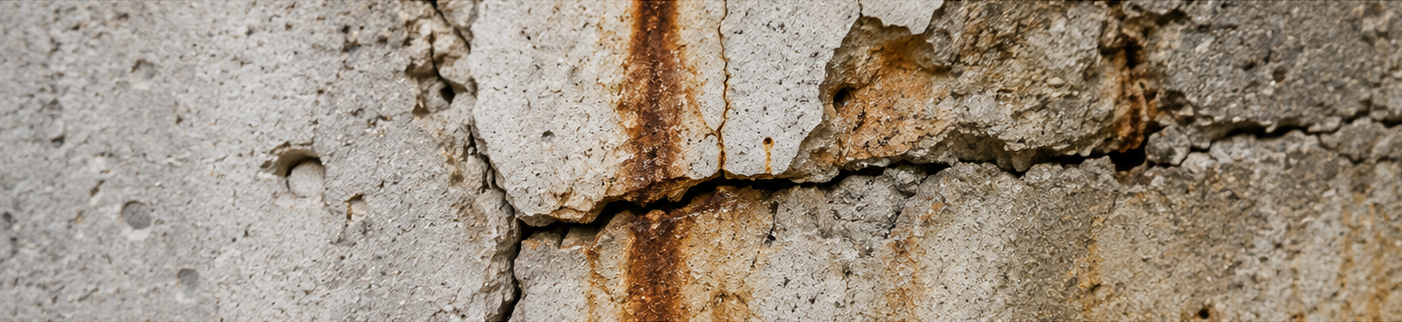
Concrete spalling occurs when portions of the concrete surface begin to break away, crack, or separate from the surrounding material.
Spalling can range from relatively small areas of surface deterioration to more significant damage involving the concrete surrounding reinforcing steel.
When reinforcing steel inside concrete begins to corrode, the corrosion can create pressure within the concrete. Over time, this pressure can contribute to cracking and cause sections of the surrounding concrete to separate.
What Causes Concrete Spalling?
Several factors can contribute to concrete deterioration.
Water Intrusion
Water can enter concrete through cracks, pores, joints, and other openings. When moisture reaches reinforcing steel, it can contribute to corrosion.
Over time, corrosion can expand and place pressure on the surrounding concrete.
Corrosion of Reinforcing Steel
Reinforcing steel is used inside concrete to provide additional structural strength. When the steel corrodes, the resulting expansion can contribute to cracking and spalling.
Corrosion can be influenced by prolonged exposure to moisture and other environmental conditions.
Florida's Climate
Florida buildings are exposed to significant heat, humidity, rainfall, and moisture throughout the year.
Properties near coastal environments may also be exposed to salt-laden air. These conditions can contribute to the deterioration of concrete and corrosion of reinforcing steel when protective systems are compromised.
Age and Exposure
As buildings age, materials are naturally exposed to environmental conditions for longer periods.
Without appropriate maintenance and repairs, small areas of deterioration can gradually become more extensive.
What Does Concrete Spalling Look Like?
Property owners and managers should pay attention to visible changes in concrete surfaces.
Potential warning signs can include:
- Cracks in concrete
- Pieces of concrete separating from a surface
- Exposed reinforcing steel
- Rust staining
- Areas of discoloration
- Bulging or uneven concrete surfaces
- Deteriorated concrete around balconies, beams, columns, or slabs
Not every crack or discoloration indicates serious structural deterioration. However, unusual or worsening conditions should be evaluated by a qualified professional.
Why Should Property Owners Take Spalling Seriously?
Concrete deterioration can become more extensive when the underlying cause is not addressed.
If moisture continues to reach reinforcing steel, corrosion may continue. As deterioration progresses, additional concrete can become affected.
Early evaluation allows property owners to understand the condition of the affected area and determine whether repairs or additional investigation may be appropriate.
Where Is Spalling Commonly Found?
Concrete spalling can occur in many areas of a building, including:
Balconies
Balconies are exposed to weather and moisture, making regular observation and maintenance particularly important.
Parking Garages
Parking structures can experience exposure to water, vehicle-related contaminants, and environmental conditions that may contribute to concrete deterioration.
Columns and Beams
Deterioration involving structural components such as columns and beams should be evaluated carefully to determine the extent and significance of the condition.
Concrete Slabs
Cracking and deterioration can also occur in concrete slabs and other horizontal surfaces exposed to moisture and environmental conditions.
What Should You Do If You Notice Spalling?
If you notice deteriorating concrete, exposed reinforcing steel, or other unusual conditions, don't assume the problem will resolve itself.
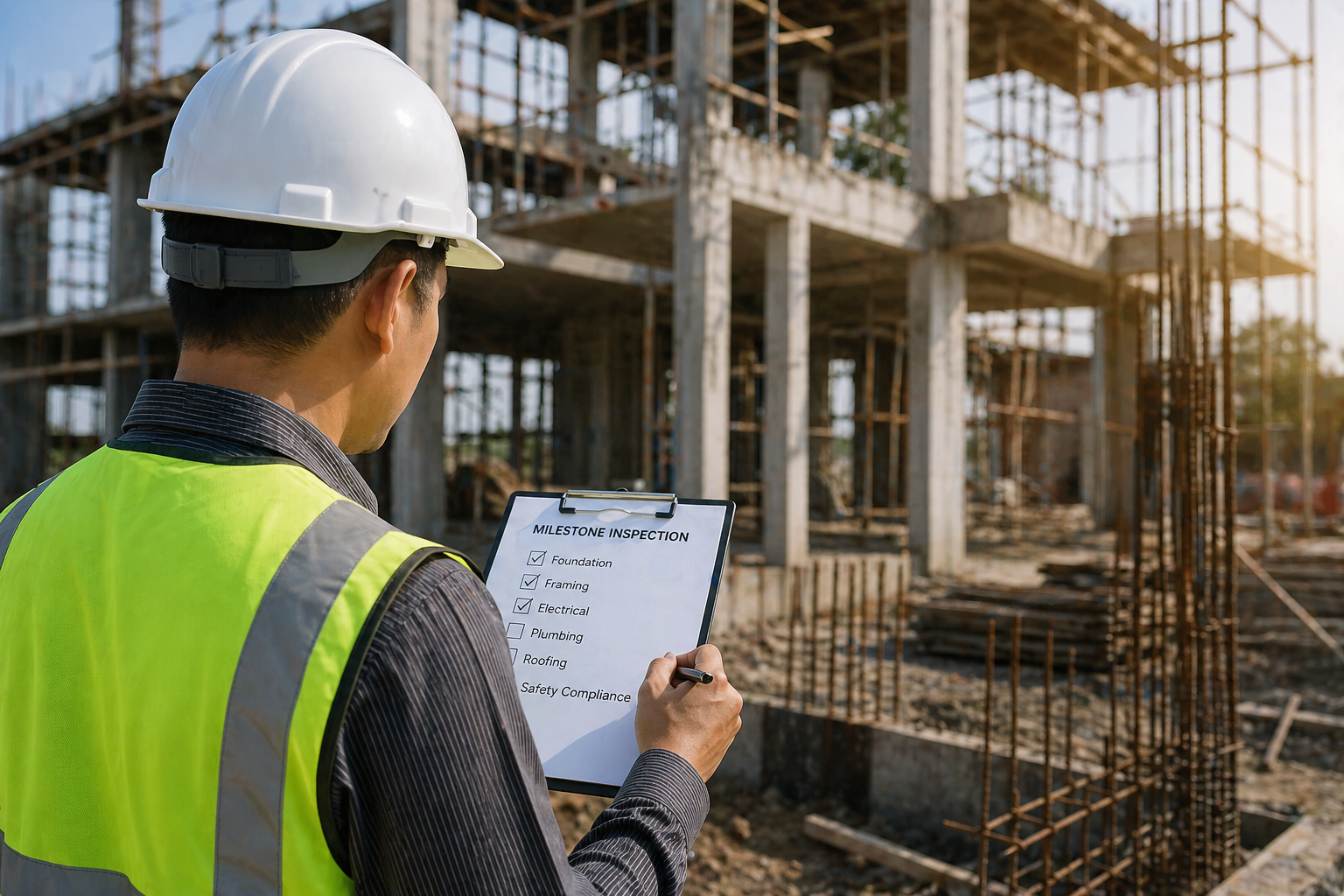
Take photographs of the affected area and have the condition evaluated by a qualified professional.
A professional evaluation can help determine the extent of the deterioration, identify potential contributing factors, and establish whether repairs or additional investigation are recommended.
Can Concrete Spalling Be Repaired?
In many cases, deteriorated concrete can be repaired. However, the appropriate repair method depends on the cause, extent, and location of the deterioration.
Simply covering damaged concrete without addressing the underlying cause may not resolve the problem.
Depending on the circumstances, repairs may involve removing deteriorated material, addressing corrosion, restoring the affected concrete, and taking steps to reduce future moisture intrusion.
A qualified professional should determine the appropriate repair approach for the specific condition.
Don't Ignore Signs of Concrete Deterioration
Concrete spalling is more than a cosmetic concern. It can indicate an underlying deterioration process that deserves professional attention.
Property managers and owners who identify potential deterioration early have a better opportunity to understand the condition, plan appropriate maintenance, and address issues before they become more extensive.
Regular inspections and proactive maintenance are important parts of protecting an aging building.
How MDZ Inspections & Consulting Can Help
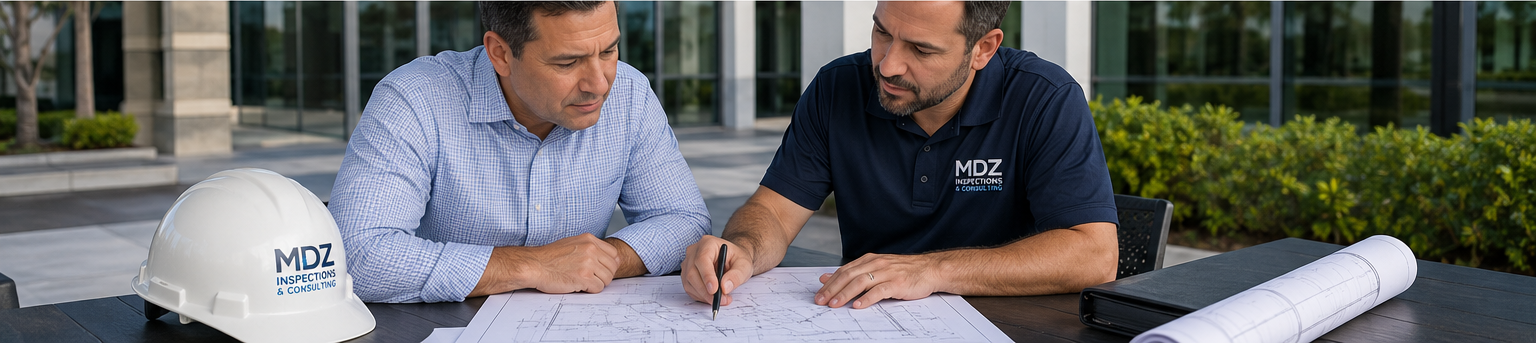
MDZ Inspections & Consulting provides professional inspection and engineering services for commercial properties, condominium associations, and other buildings throughout South Florida.
If you're concerned about cracking, concrete deterioration, exposed reinforcing steel, or other structural conditions, our team can evaluate the property and help determine the appropriate next steps.
Our goal is to provide property owners and managers with clear information they can use to make informed decisions about their buildings.
Concerned About Concrete Deterioration?
If you've noticed signs of concrete spalling or deterioration at your property, don't wait for the condition to become more extensive.
Contact MDZ Inspections & Consulting today to schedule a consultation. Our team can help you better understand the condition of your property and determine whether a professional inspection or evaluation is appropriate.