South Florida commercial real estate has some of the most complex compliance requirements of any market in the country. Miami-Dade and Broward County both have their own distinct building department programs, code requirements, and recertification schedules — and a building that looks clean on the surface can carry significant hidden liability.
Here's what we recommend every commercial buyer — and their inspectors, attorneys, and property managers — verify before closing.
1. Permit Records and Open Violations
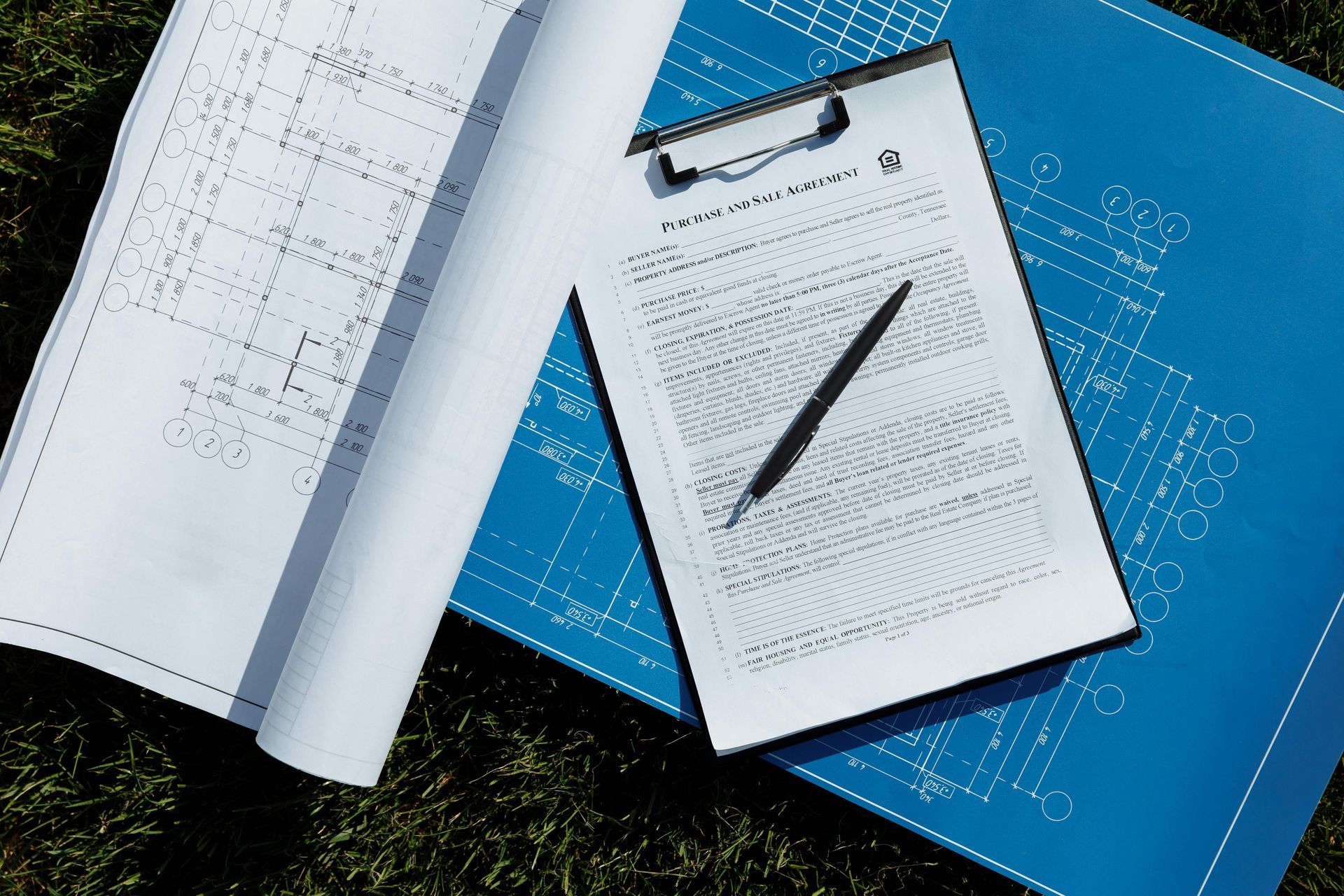
Before anything else, pull the full permit record for the property from the local building department. You're looking for open permits (permits that were issued but never received a final inspection and close-out), expired permits, and active code enforcement violations. Any of these can become the new owner's responsibility the moment title transfers.
Don't assume the seller's disclosure covers everything. We've seen properties with unpermitted additions, roofing replacements done without permits, and electrical upgrades that were never inspected — none of which surfaced in the seller's paperwork.
2. Recertification Status
If the building is 40 years old or older (in Miami-Dade or Broward County), confirm that the required recertification has been completed and accepted by the county. If it's coming due within the next several years, factor the cost of compliance into your purchase price negotiations.
For buildings 3 or more stories and 25+ years old, confirm milestone inspection status. If the inspection is overdue, the building department has the authority to issue a stop-use order — which would affect your ability to lease or occupy the building after purchase.
3. Structural Condition
Beyond the standard property inspection, a commercial building of any significant size warrants a detailed structural assessment. Look specifically at:
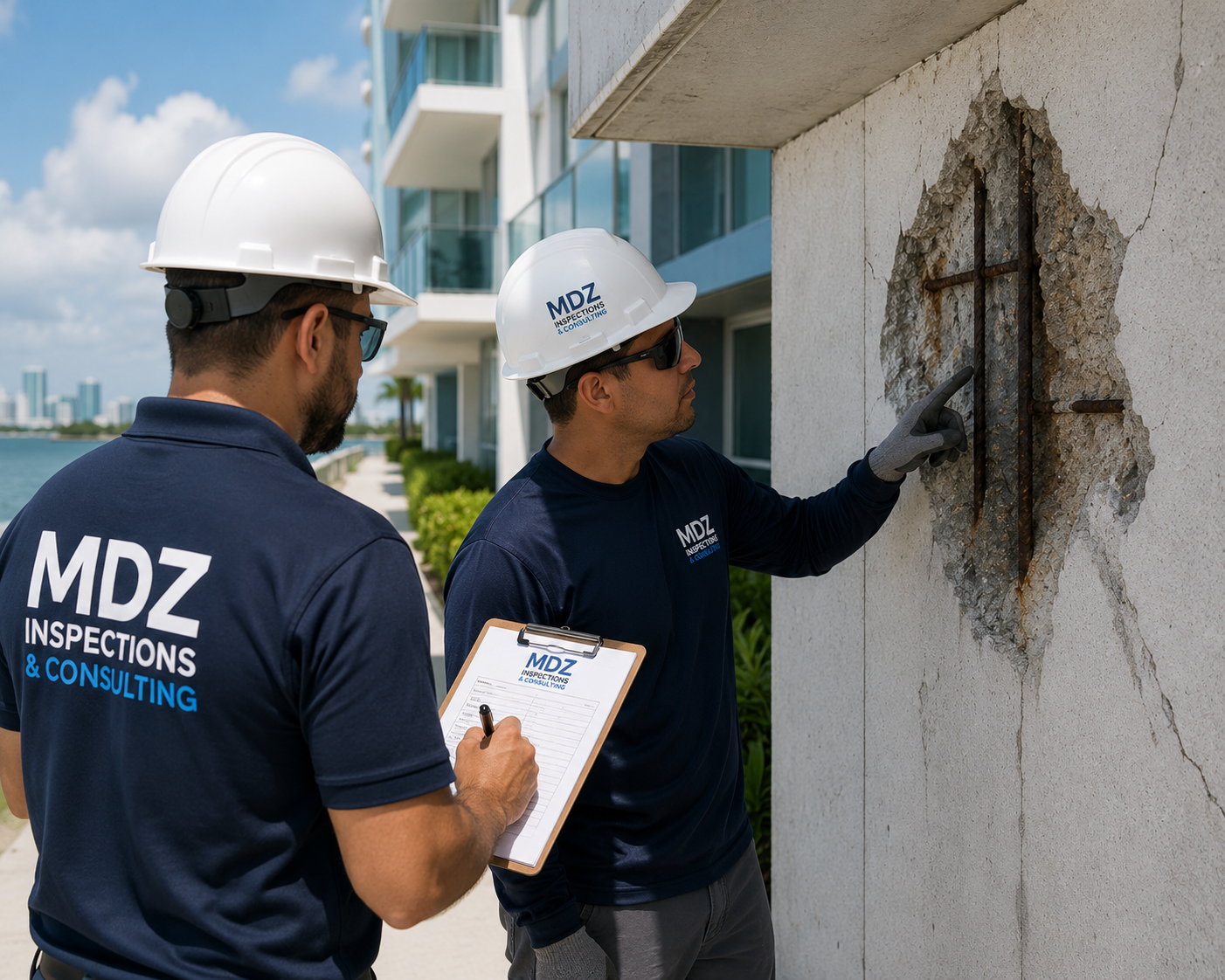
- Concrete condition (spalling, exposed rebar, active cracking)
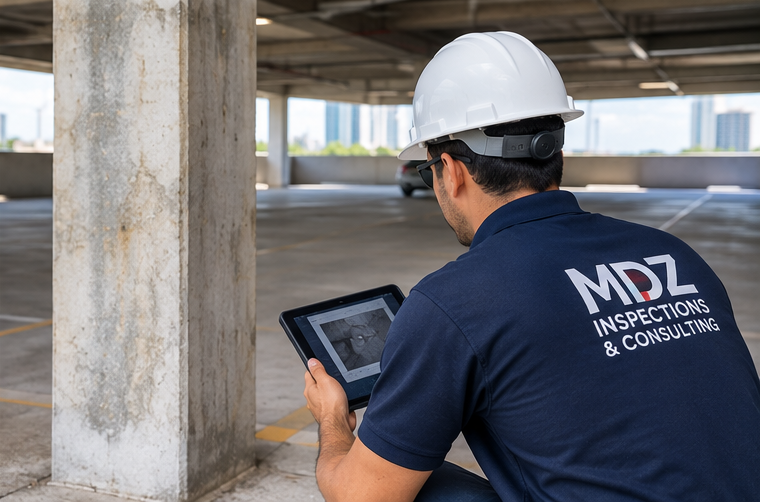
- Balcony, stair, and parking structure integrity
- Waterproofing and drainage performance
- Roof condition and recent repair history
In South Florida's salt air environment, concrete deterioration accelerates significantly near the coast. A building that looks well-maintained from the lobby can have serious envelope and structural issues that aren't visible without a proper inspection.
4. Electrical System Condition
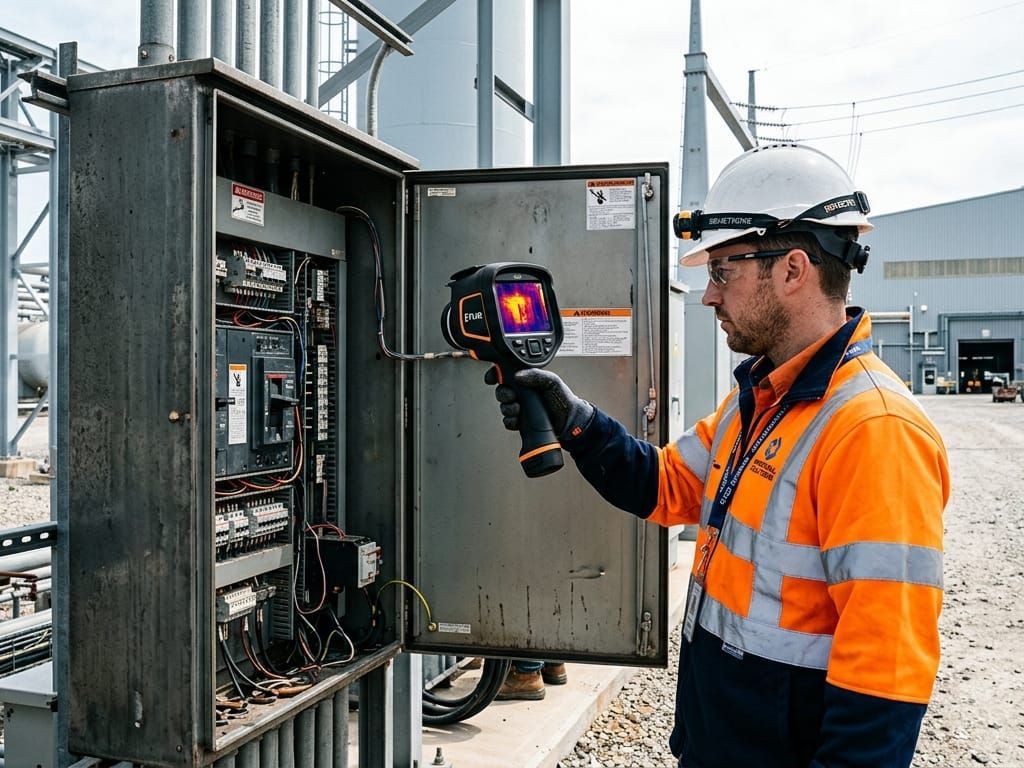
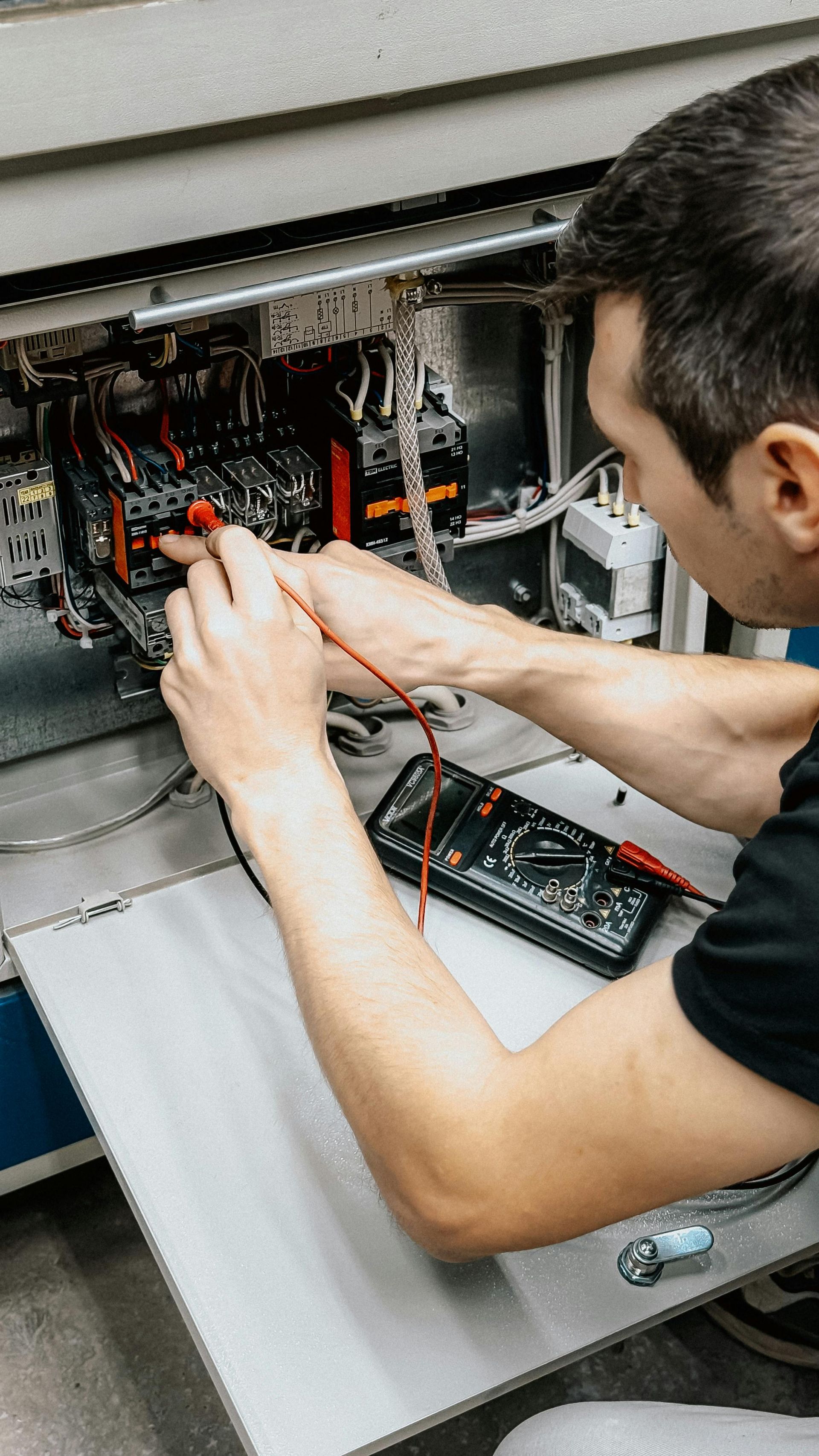
For buildings more than 20 years old, an electrical thermography scan is one of the highest-value due diligence steps you can take. Thermal imaging reveals overloaded circuits, failing panels, and loose connections that aren't visible during a standard electrical inspection — and that can become significant capital expenses after you take ownership.
For buildings with aging electrical infrastructure, also confirm that the main service entrance equipment and panels meet current code requirements and are not in a "grandfathered" condition that would require replacement if any renovation permits are pulled.
5. Environmental and Systems Condition
Check HVAC age and condition, plumbing system condition (particularly for older galvanized or cast iron drain systems), and roof drainage adequacy. In South Florida, HVAC systems have relatively short useful lives due to the climate, and replacement is a significant capital cost.
6. ADA Compliance
If any renovation permits are pulled after purchase, ADA compliance upgrades for the path of travel to the area being renovated may be required. Understanding the building's current ADA compliance status — particularly for parking, restrooms, and building entry — will help you anticipate what improvements may be triggered by your planned work.
Working With MDZ
Our team can support commercial buyers through the full due diligence process — from permit record reviews and structural assessments to electrical thermography and recertification status verification. We've helped buyers identify significant issues before closing that were reflected in final purchase price negotiations, and we've helped buyers understand that issues they were worried about were actually straightforward to resolve.
If you're under contract on a commercial property in Miami-Dade or Broward and want a thorough pre-purchase inspection, give us a call. We'd rather help you understand what you're buying before you own it than help you fix surprises afterward.