Electrical fires are one of the leading causes of commercial and multi-family building fires in the United States — and the frustrating part is that most of them are preventable. The problem is that the conditions that lead to fires are often invisible until they've already developed into an emergency.
That's where electrical thermography comes in.
What Is Electrical Thermography?
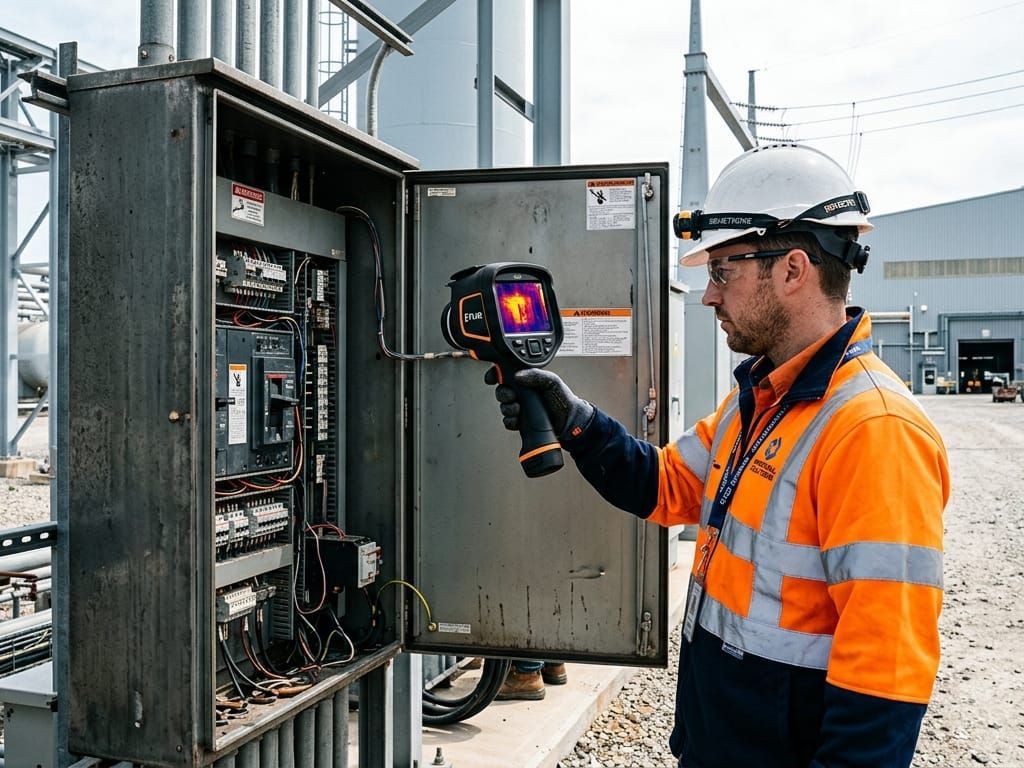
Thermography — also called infrared scanning or thermal imaging — is a non-invasive diagnostic technique that uses a specialized camera to detect heat signatures invisible to the naked eye. Overloaded circuits, loose connections, failing breakers, and imbalanced electrical loads all generate excess heat before they fail. An infrared scan captures those heat signatures before they become fires, outages, or insurance claims.
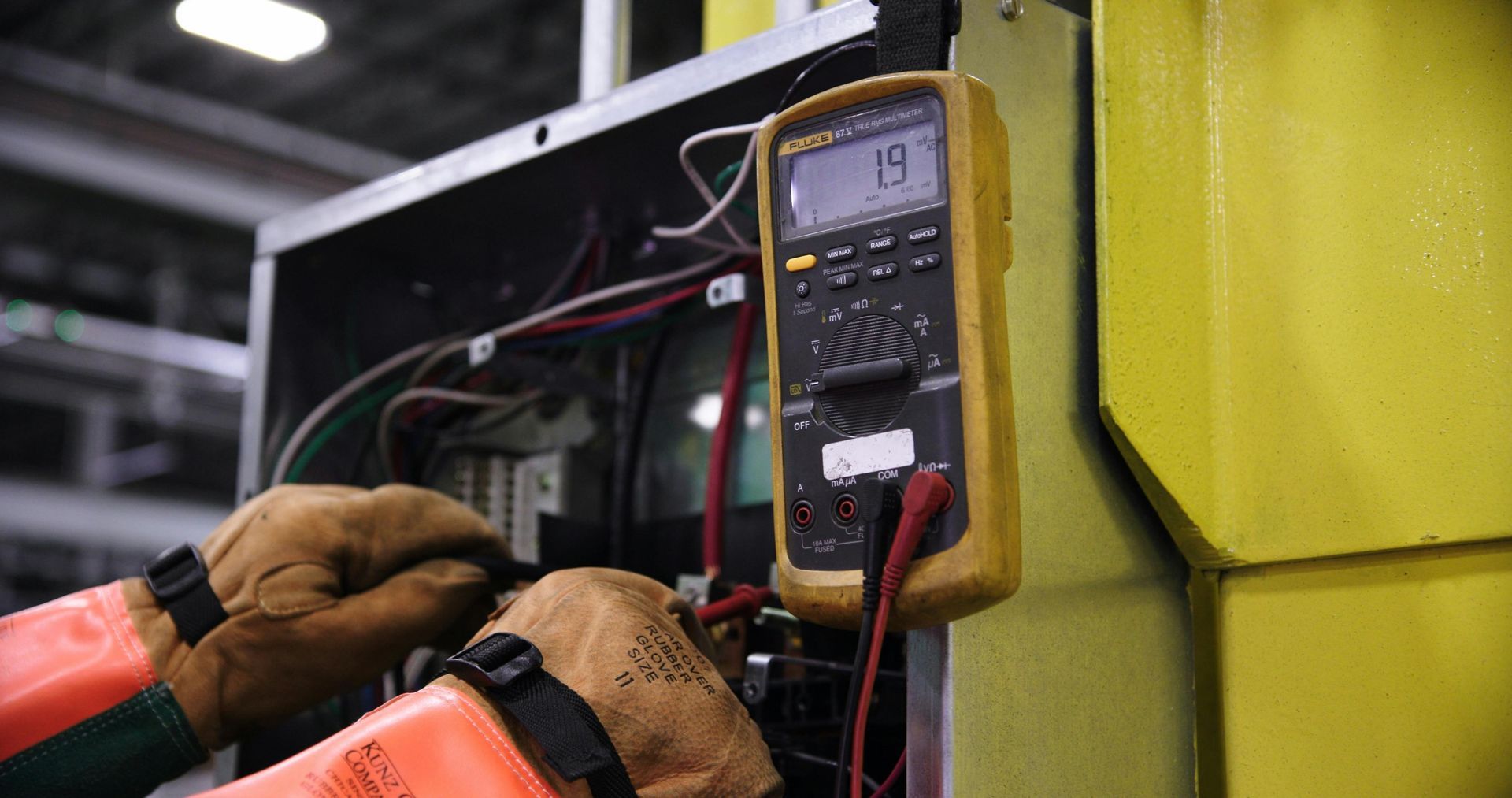
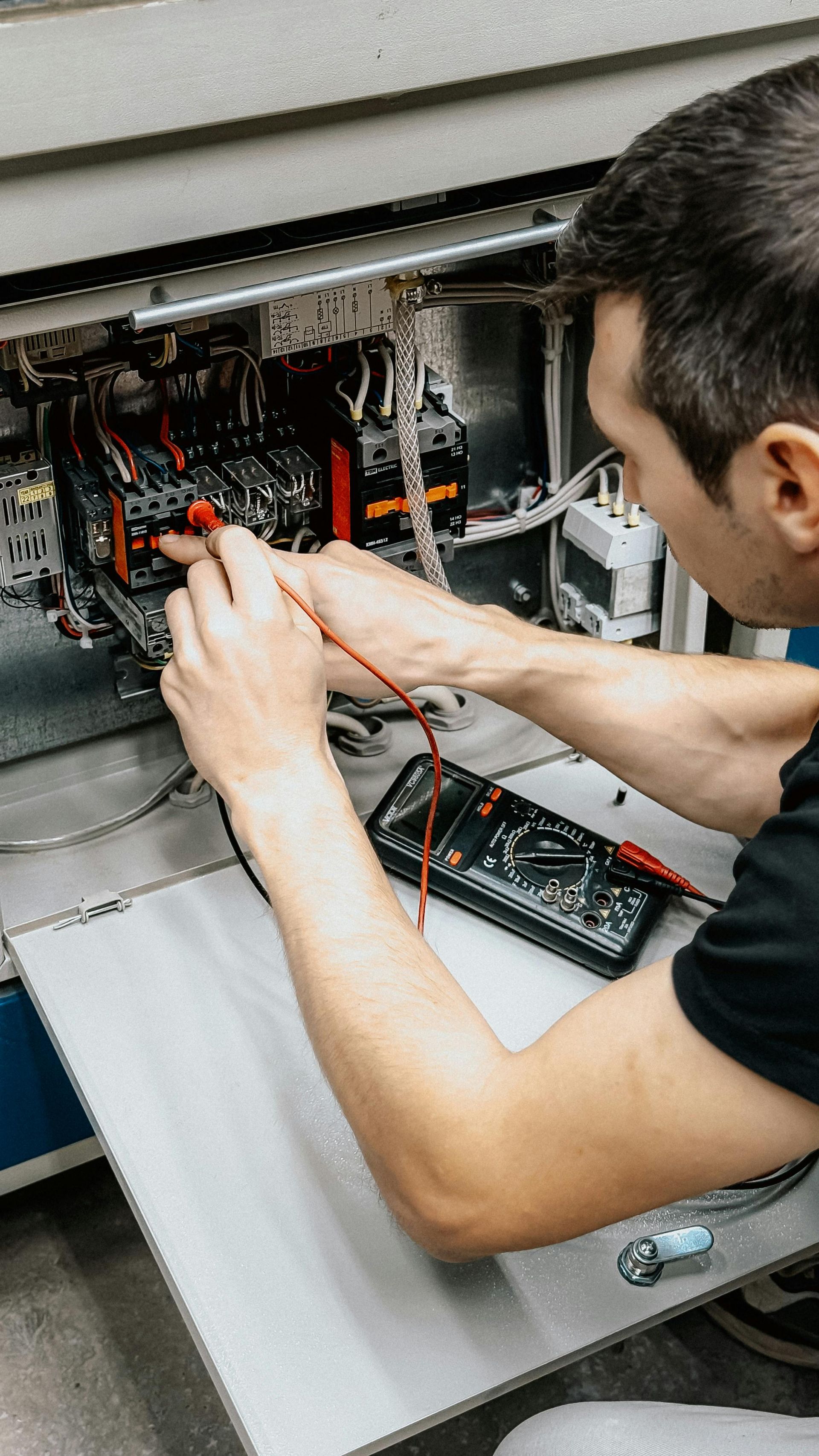
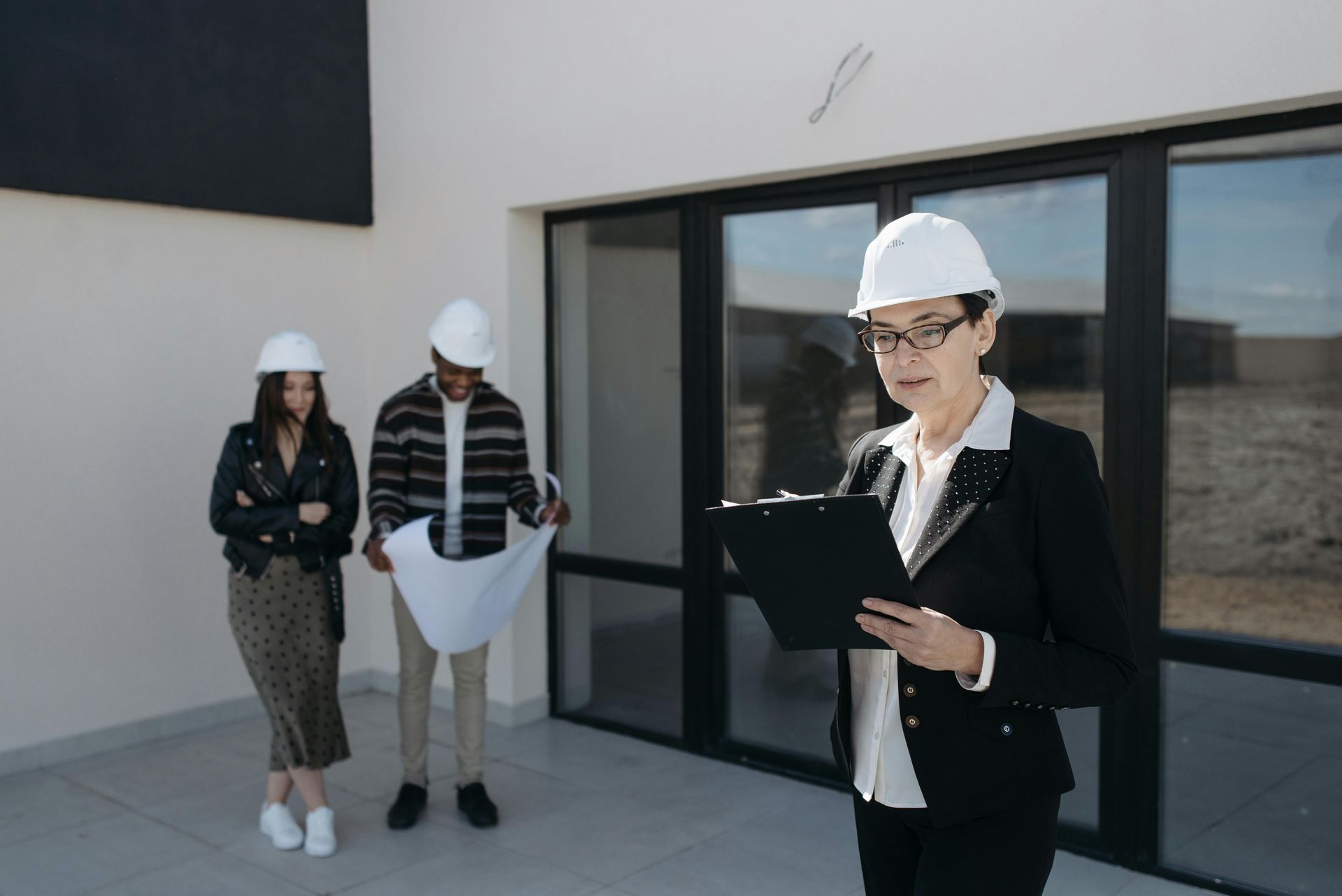
The technique is non-destructive and non-disruptive. Your building stays fully operational during the scan. Panels are opened by a licensed electrician, the camera captures thermal images of all electrical components, and the data is analyzed to identify anomalies and rank them by severity.
What Does a Thermal Scan Find?
The most common findings in a commercial thermographic survey include:
Loose connections: A loose lug or terminal creates resistance, which creates heat. Left unaddressed, these can ignite insulation material.
- Overloaded circuits: Circuits carrying more current than their rated capacity will show elevated temperatures across the entire circuit.
- Failing breakers: Breakers that are beginning to fail often show asymmetric temperature patterns compared to neighboring breakers.
- Phase imbalances: In three-phase systems, uneven loading across phases produces thermal signatures that indicate distribution problems.
- Failing capacitors and contactors: Motor control centers and switchgear contain components that degrade over time — thermography reveals them before they fail catastrophically.
Who Should Get a Thermal Scan — and How Often?
We generally recommend annual scans for commercial buildings with high electrical loads — industrial facilities, large retail spaces, multi-story office buildings, and large multi-family properties. Biennial scans may be appropriate for smaller commercial buildings with lighter electrical usage.
It's also worth knowing that many commercial insurance carriers now require thermal scanning as a condition of coverage or for premium reductions. If your carrier has asked for a thermographic scan report and you haven't scheduled one yet, this is the moment.
What Happens After the Scan?
You'll receive a complete report with thermal images paired with visible-light photographs, temperature readings, severity classifications (low, medium, or critical), and prioritized repair recommendations. Critical findings require immediate attention; lower-severity items can typically be addressed during the next scheduled maintenance cycle.
At MDZ, our licensed electricians perform both the scan and any repairs identified — which means you don't have to coordinate between a thermographer and a separate electrical contractor. We identify the problem, we fix the problem, and we document everything for your insurance and compliance records.
Reach out to schedule your building's thermographic survey. The cost of the scan is a fraction of what an electrical fire — or an insurance claim denial — will cost you.