Imagine you're in the middle of selling a property — or refinancing — and the title search or inspection reveals open permits, expired permits, or unpermitted construction. The closing is days away. The buyer is nervous. The lender is threatening to pull out.
This scenario plays out regularly across South Florida, and it's one of the most stressful situations a property owner can face. The good news is that unpermitted work can almost always be legalized — but it takes the right approach and someone who knows how to navigate the process.
How Does Unpermitted Work Happen?
Most unpermitted work isn't the result of deliberate fraud. It happens when a previous owner made improvements — added a room, enclosed a porch, replaced a roof, rewired a circuit — and didn't realize a permit was required. It also happens when contractors are hired who don't pull permits, leaving the property owner unknowingly exposed.
In Florida, virtually all construction, alteration, repair, and installation work on buildings requires a permit under Florida Building Code Section 105. The threshold is broad: if it changes the structure, adds or modifies systems, or alters the building's use, it almost certainly needs a permit.
Why Does It Matter?
Unpermitted work creates serious problems in several contexts:
Property sales: Most buyers and lenders require a clear permit record. Open violations or unpermitted work can kill a deal or force major price concessions.
Insurance: Insurance carriers can deny claims for damage caused by or related to unpermitted work. If your roof was replaced without a permit and it fails in a hurricane, your claim could be denied.
Code enforcement: If a neighbor or inspector notices unpermitted work, you can face fines, mandatory demolition orders, or forced correction orders on a deadline.
Safety: Unpermitted work hasn't been inspected for code compliance. That means the work may not be structurally sound, may create fire hazards, or may violate life-safety requirements — without anyone ever having checked.
What Is the Legalization Process?
Legalizing unpermitted work under BC 105 involves obtaining a retroactive permit for work that was already completed. The process varies somewhat by municipality, but generally involves:
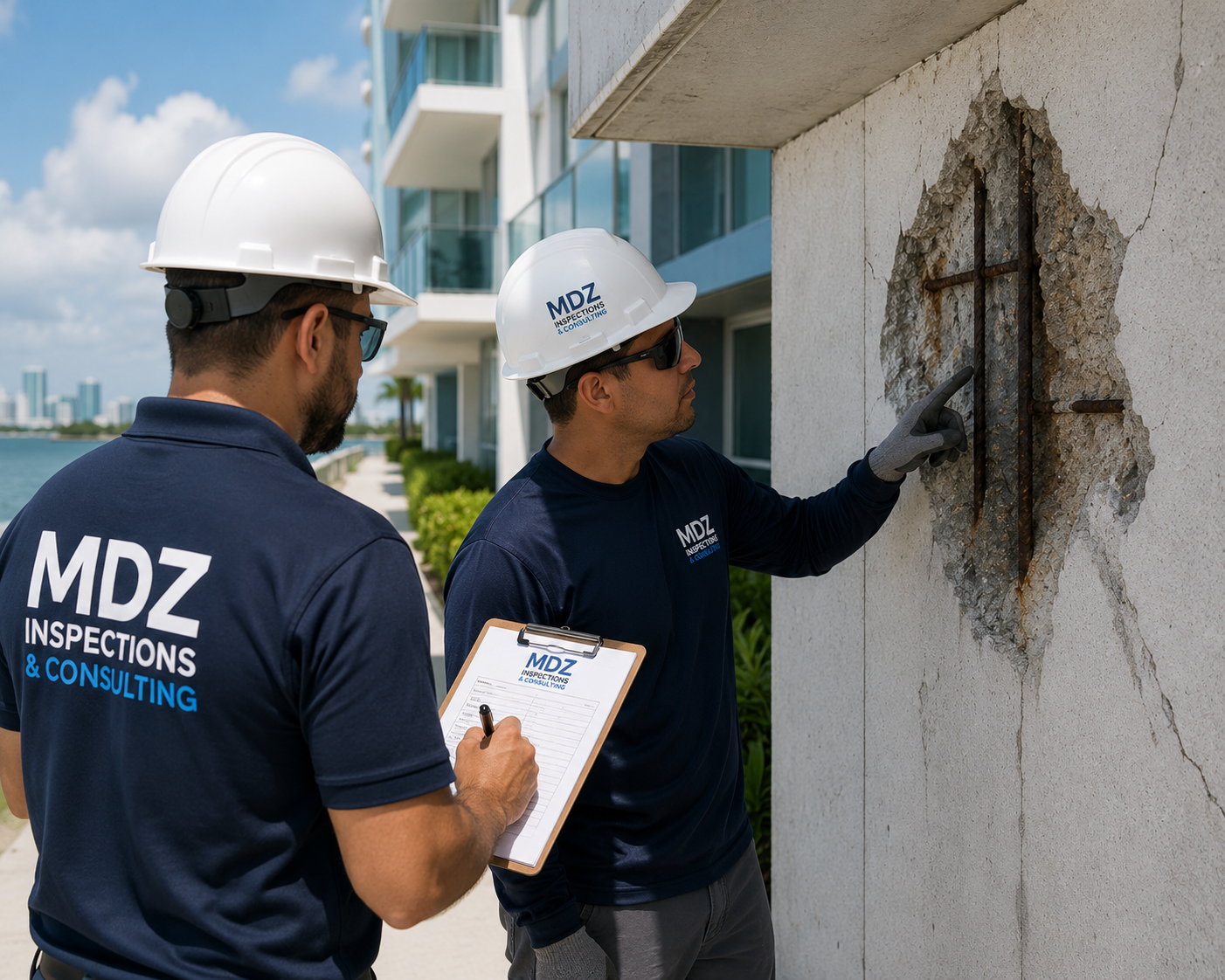
1. Documenting exactly what was built — through a site visit, photographs, measurements, and field notes
2. Determining whether the work meets current code requirements (or what would need to be modified)
3. Coordinating with a licensed engineer or architect if stamped drawings are required
4. Preparing and submitting a permit application with all required documentation
5. Managing the building department's review process and responding to any plan review comments
6. Scheduling and passing the required field inspection(s)
7. Obtaining final sign-off that closes the violation
Can Unpermitted Work Always Be Legalized?
In most cases, yes — though the path varies depending on what was built, when it was built, and how the current building code applies. Occasionally, work that doesn't meet current code standards may need to be partially modified or supplemented to achieve compliance. This is less common than most people fear, but it does happen.
The worst outcome — demolishing or removing the unpermitted work — is rare and typically only required when the work is both non-compliant and unfixable without major structural changes.
MDZ's Experience With BC 105 Violations
Our team has navigated permit violation resolutions across dozens of municipalities in Miami-Dade and Broward County. Every building department has its own procedures, timelines, and personalities — and knowing how to work within each system efficiently is a genuine advantage.
If you're facing unpermitted work — whether it just surfaced on a title search, a code enforcement notice arrived, or you've simply known about it for years and kept putting it off — call us. We'll review the situation, give you an honest picture of what legalization involves, and help you get it resolved.