In the aftermath of the 2021 Champlain Towers South collapse in Surfside, Florida enacted Senate Bill 4-D — one of the most significant building safety reforms in the state's history. If you own or manage a condominium or cooperative building, this law almost certainly affects you.
What is a Milestone Inspection?
A Milestone Inspection is a state-mandated structural examination required for any condominium or cooperative building that is three or more stories tall and has reached 25 years of age (or 30 years if located more than three miles from the coastline). These inspections must be repeated every 10 years thereafter.
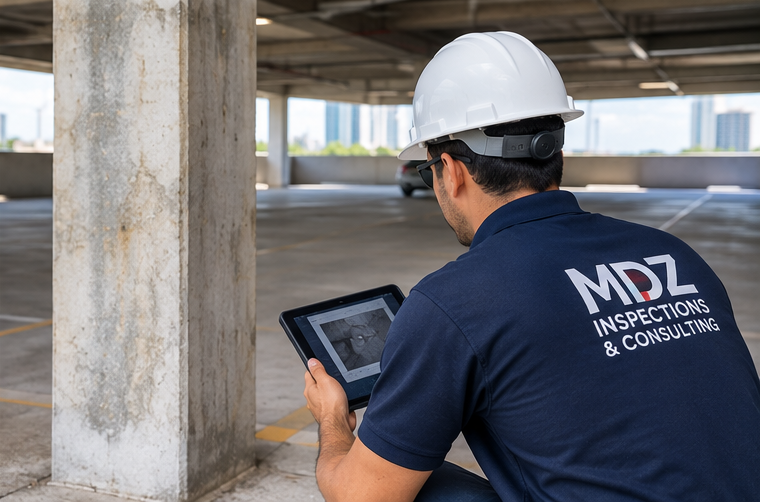
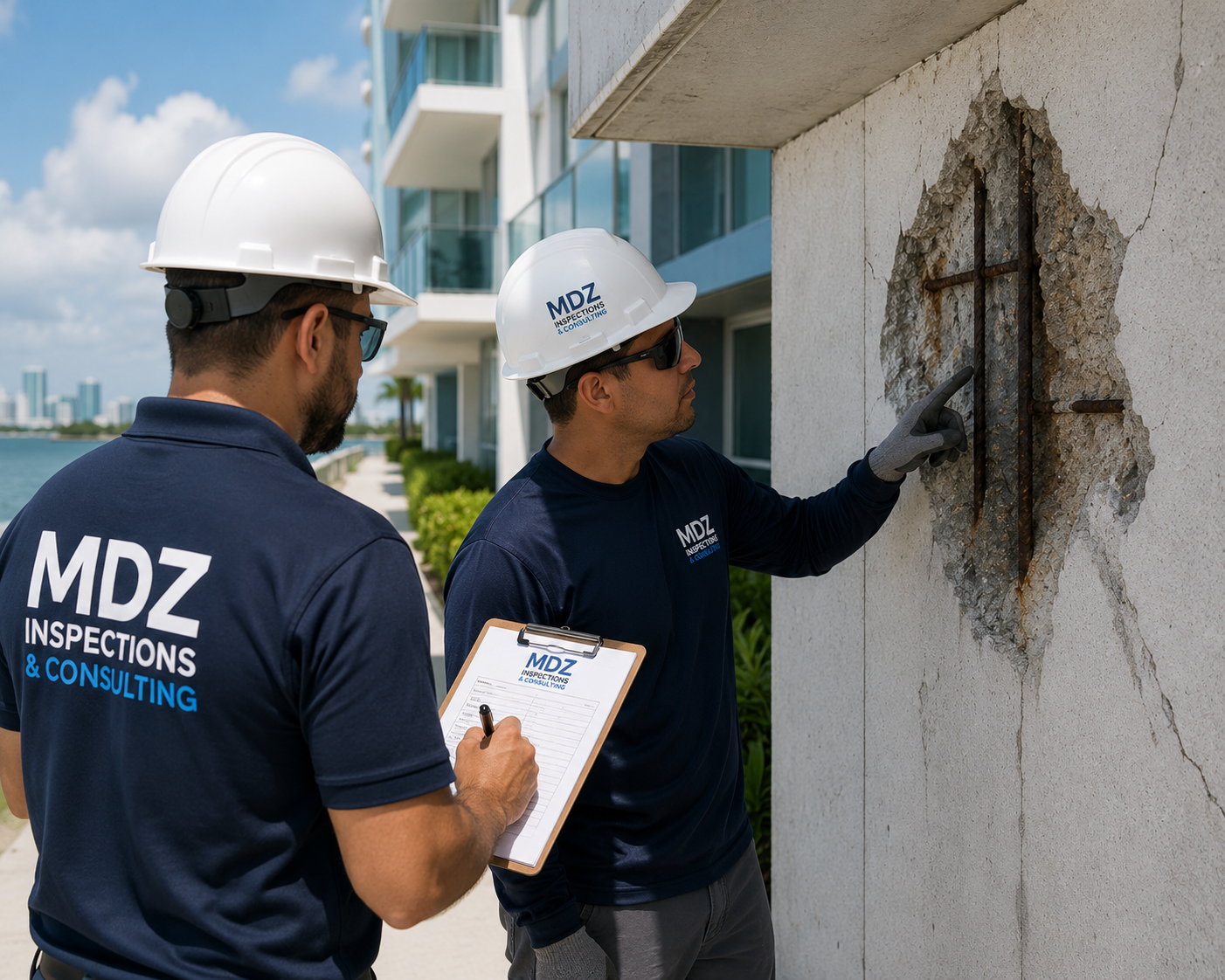
The inspection is conducted in two phases. Phase 1 is a visual inspection of all structural components — this includes balconies, columns, slab soffits, stairwells, parking structures, and the building's exterior envelope. A Florida-licensed architect or engineer performs the inspection and documents every finding with photographs.
If Phase 1 uncovers evidence of substantial structural deterioration — meaning conditions that may present a threat to the building's structural integrity — Phase 2 is triggered automatically. Phase 2 involves detailed probing, material sampling, and engineering analysis to fully characterize the deterioration and determine what remediation is required.
What Does "Substantial Structural Deterioration" Mean?
This is the question every board member and property manager asks us. The law defines it as any structural damage beyond minor surface deterioration that affects or could affect the structural integrity of the building. In practice, this includes significant concrete spalling, exposed or corroded rebar, active cracking in load-bearing elements, and similar conditions.
It's important to understand that triggering Phase 2 is not a catastrophic event — it simply means a more detailed investigation is required before the building can be cleared. The vast majority of buildings that reach Phase 2 are safe to occupy while the analysis is underway, though the report must note this explicitly.
Deadlines and Local Enforcement
Local building departments are responsible for enforcing the milestone inspection schedule. Buildings that miss their inspection deadline or fail to complete remediation within the required timeframe can face stop-work orders, fines, and — in extreme cases — mandatory evacuation orders.
If your building is approaching its 25-year or 30-year mark, the time to schedule your milestone inspection is now. Demand for licensed inspectors is high, and some buildings have waited months for a qualified engineer's availability. Getting ahead of the deadline protects your board, your residents, and your building's long-term value.
How MDZ Helps
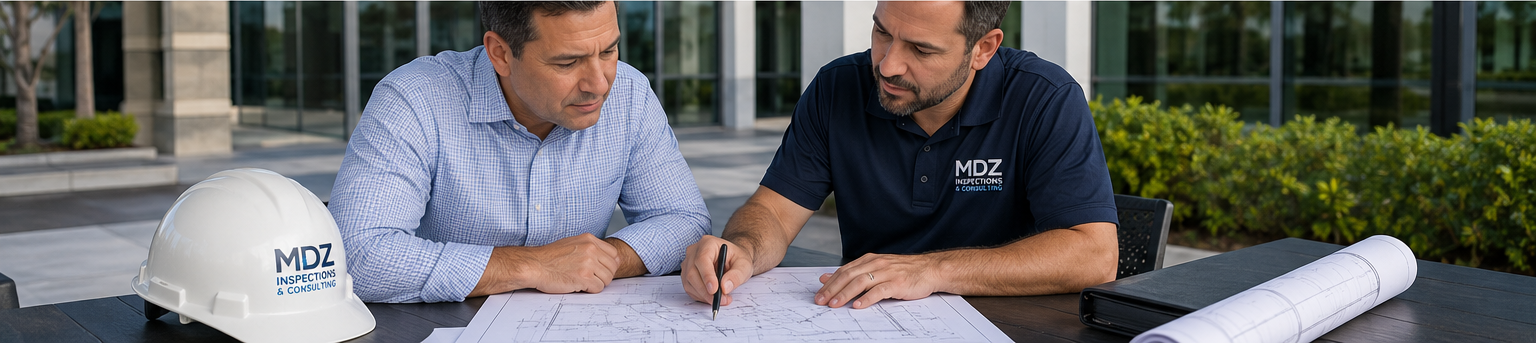
At MDZ, we've been performing structural inspections across Miami-Dade and Broward for over 20 years. Our team handles both Phase 1 and Phase 2 milestone inspections, prepares the required state- and county-compliant sealed reports, and assists boards with understanding their next steps when Phase 2 is triggered. We won't hand you a report and walk away — we'll be there through the full process.
If you're not sure whether your building is due for a milestone inspection, give us a call. We'll help you determine your deadline and what the process looks like for your specific property.